



あなたのESDファブリックは本当に帯電防止性がありますか?
2026-10-27 08:06
想像してみてください。あなたは、微細な粒子さえも除去するために空気がろ過された、清潔な半導体製造施設を歩いています。突然、技術者が作業台に触れ、ほとんど目に見えない火花が袖から繊細な部品に飛び移ります。わずか数百ボルトのその微弱な放電は、5万ドルのウェハーを静かに破壊したり、サーバーファームの重要なデータを破損させたりする可能性があります。ハイテク製造業において、静電気は単なる迷惑なものではなく、数十億ドル規模の脅威です。そして、最前線の防御策は?帯電防止ESDファブリックです。しかし、ここで不安な真実があります。すべてのESDファブリックが同じように作られているわけではありません。市場に出回っている多くの製品は帯電防止を謳っていますが、実際の使用環境では機能せず、製品、データ、そして企業の評判を危険にさらします。では、あなたのESDファブリックは本当に帯電防止なのでしょうか?この詳細な解説では、従来のESDファブリックの隠れた弱点を明らかにし、真の保護と偽りのセキュリティを分ける技術的な違いを探り、江蘇繊維研究所が最も過酷な環境向けに設計されたファブリックでどのように基準を再定義しているかをご紹介します。クリーンルーム用の材料を指定するエンジニアの方も、航空宇宙組立用の調達を担当する調達マネージャーの方も、この記事を読むことで、情報に基づいた意思決定を行うための知識を得ることができ、ESD保護についてこれまで知っていたことすべてを再考するきっかけになるかもしれません。
業界の課題:従来のESDファブリックが失敗する点
静電気は、静かに進行する破壊者です。電子機器製造において、たった一度の静電気放電(ESD)が、数か月後に表面化する潜在的な欠陥を引き起こし、壊滅的な現場故障や高額なリコールにつながる可能性があります。エンジニアや調達担当者にとって、そのリスクは高く、製品の信頼性、生産歩留まり、そしてブランドの信頼性が危機に瀕しています。しかし、ESDファブリックが広く普及しているにもかかわらず、多くの組織は依然として静電気関連の問題に苦慮しています。なぜでしょうか?それは、従来のESDファブリックが、耐久性、環境耐性、一貫性という3つの重要な点で不十分な場合が多いからです。
問題点1:時間の経過に伴う導電性能の低下
テキサス州オースティンの活気あふれる電子機器組立ラインを想像してみてください。作業員はESD防護服とリストストラップを着用しています。最初は防護服はうまく機能しますが、数十回の洗濯サイクルを経ると、表面抵抗が徐々に上昇し始めます。導電性繊維(多くの場合、炭素繊維が注入されているか、金属コーティングされている)が腐食したり破損したりして、電荷を放散しなくなる孤立した「デッドゾーン」が生まれます。その結果は?誤った安心感です。ある大手自動車電子機器メーカーは、6か月の使用後、ESD防護服の30%が定期テストに不合格となり、高感度制御モジュールの現場での故障が増加したと報告しました。そのコストは?200万ドルを超える保証請求と、評判を損なうリコールでした。根本的な原因は、従来の生地が、機械的ストレスや繰り返しの洗濯によって劣化する表面処理や脆弱な導電性ネットワークに依存していることです。
課題2:低湿度環境における性能不足
アリゾナのような乾燥地帯や、バッテリー製造用の制御された乾燥室では、相対湿度が10%を下回ることがあります。このような状況下では、水分吸収によって電荷を放散する多くのESDファブリックは事実上効果を発揮しません。静電荷が急速に蓄積され、放電のリスクが急激に高まります。ニューメキシコ州のある半導体工場では、湿度が急激に低下した冬季にデバイスの故障が急増しました。50%RHで仕様を満たしていた標準的なESDウェアは、12%RHではESDイベントから保護することができませんでした。経済的影響としては、重要なチップラインの歩留まりが15%低下し、月間500万ドルの収益損失となりました。教訓:ESDファブリックは、理想的な実験室環境だけでなく、幅広い湿度範囲で一貫して機能する必要があります。
問題点3:一貫性の欠如とコンプライアンスのギャップ
すべてのESDファブリックが同じ基準で製造されているわけではありません。導電性繊維の分布、糸の品質、織り方のばらつきにより、1着の衣類内で「ホットスポット」と「コールドスポット」が生じる可能性があります。このようなばらつきは保護性能を損なうだけでなく、すべてのバッチを検証しなければならない品質管理者にとって頭痛の種となります。あるヨーロッパの航空宇宙サプライヤーは、入荷したESD衣類の20%が表面抵抗率のばらつきが±20%を超えているため、入荷検査に不合格になったことを発見しました。これは生産の遅延、追加の検査費用、サプライヤーとの関係悪化につながりました。さらに悪いことに、ANSI/ESD S20.20などの規格に準拠していると主張するファブリックの中には、それを証明する文書やトレーサビリティが不足しているものもあり、調達チームは監査リスクにさらされることになります。
これらの問題点は単発的な事例ではなく、ESDファブリックの設計と製造方法の根本的な変革を必要とする体系的な課題です。解決策は、高度な材料科学と、最低限の要件を超える品質へのこだわりにあります。
解決策:江蘇繊維研究所が開発した帯電防止ESDファブリック
江蘇繊維研究所では、数十年にわたりESDファブリックの技術と科学を磨き上げてきました。私たちの取り組みは、静電気防止機能は後付けではなく、生地のDNAに組み込まれるべきであるというシンプルな哲学に基づいています。導電性繊維を分子レベルで組み込み、独自の製造プロセスを採用することで、繰り返しの洗濯、過酷な化学薬品、そして極端な環境条件下でも性能を維持するファブリックを実現しました。ここでは、それぞれの課題にどのように正面から取り組んでいるかをご紹介します。
解決策1:長期的な信頼性を確保するための耐久性のある導電性ネットワーク
当社の帯電防止ESDファブリックは、表面にコーティングするのではなく、生地構造に織り込まれた特許取得済みの導電性繊維マトリックスを特徴としています。これにより、導電経路が摩耗や腐食から保護され、100回の工業用洗濯サイクル後でも表面抵抗率が一定に保たれます。比較試験では、当社のファブリックは100回の洗濯後も抵抗率の変化が10%未満であったのに対し、従来のファブリックは50%以上劣化しました。前述の自動車用電子機器メーカーでは、当社のファブリックへの切り替えにより、30%の故障率を解消し、保証請求を80%削減し、年間推定160万ドルのコスト削減を実現しました。その鍵は、本来導電性があり、表面処理による劣化メカニズムの影響を受けないカーボンコアナイロン繊維を使用している点にあります。
解決策2:湿度に依存しない性能
電荷の放散に水分を利用する従来の生地とは異なり、当社のESDファブリックは、相対湿度10%でも性能を維持する親水性導電性繊維を採用しています。この導電性ネットワークは、周囲の湿度に関係なく、コロナ放電と伝導の組み合わせによって静電気を放散するように設計されています。相対湿度12%の乾燥室での試験では、当社のファブリックは表面抵抗率が規定範囲の10^6~10^9オームに維持されたのに対し、従来のファブリックは10^12オームを超えました。ニューメキシコ州の半導体工場にとって、これは歩留まりを以前のレベルに戻し、月500万ドルの損失を回避することを意味しました。当社のファブリックは、湿度5%から95%までの範囲でANSI/ESD STM2.1およびIEC 61340-5-1規格に準拠した試験を実施しており、あらゆる環境で安心してご使用いただけます。
解決策3:一貫性とトレーサビリティ
当社は、繊維生産から最終的な衣料品の組み立てまで、製造工程のあらゆる段階を管理し、導電性繊維の均一な分布とバッチ間のばらつきの最小化を実現しています。表面抵抗率は±10%の許容範囲内に維持されており、業界平均の半分です。各生地ロールには、表面抵抗率、電荷減衰時間、洗濯耐久性データを含む包括的な試験レポートが付属しており、ANSI/ESD S20.20およびIEC 61340-5-1への容易な準拠を可能にします。欧州の航空宇宙サプライヤーでは、当社の生地により入荷検査の不合格率が1%未満に削減され、試験コストが70%削減され、生産遅延が解消されました。また、原材料から完成品までの完全なトレーサビリティを提供しているため、コンプライアンスを自信を持って文書化できます。
But our solutions go beyond just fixing problems. We partner with our clients to understand their specific challenges and tailor fabric properties—such as weight, breathability, and color—to meet their operational needs. Whether you need lightweight garments for a cleanroom or heavy-duty smocks for a welding shop, we have the expertise to deliver.
| Performance Metric | Conventional ESD Fabric | Jiangsu Textile Research Institute ESD Fabric |
|---|---|---|
| Surface Resistivity (ohms) | 10^6 – 10^11 (varies with humidity) | 10^6 – 10^9 (stable across 5-95% RH) |
| Wash Durability (cycles) | 20-30 (resistivity increases >50%) | 100+ (resistivity change <10%) |
| Humidity Dependence | High (fails below 30% RH) | None (performs at 5% RH) |
| Batch Consistency | ±20% variation | ±10% variation |
| Compliance Documentation | Limited | Full traceability and test reports |
Customer Success Stories: Real-World Results
Don’t just take our word for it. Here are a few examples of how our antistatic ESD fabrics have transformed operations for clients across the globe.
Case Study 1: Semiconductor Manufacturer in Dresden, Germany
Fraunhofer Microelectronics, a leading semiconductor research and manufacturing facility, struggled with ESD-related yield losses in their 300mm wafer fab. After switching to our ESD garments, they saw a 22% reduction in ESD events and a 12% increase in overall yield. “The consistency of Jiangsu’s fabrics has been a game-changer for our quality control,” said Dr. Klaus Meier, Senior Process Engineer. “We no longer worry about humidity swings or wash degradation—the performance is rock-solid.” The yield improvement translated to an additional €8 million in annual revenue.
Case Study 2: Aerospace Assembly Plant in Toulouse, France
Airbus supplier AéroComposantes faced frequent ESD failures during avionics assembly, leading to rework and delays. They implemented our ESD smocks and wrist straps, and within six months, ESD-related defects dropped by 35%. “We’ve tried other ESD fabrics, but none matched the durability and reliability of Jiangsu’s products,” noted Marie Dubois, Procurement Manager. “The traceability documentation also simplified our audits.” The cost savings from reduced rework exceeded €500,000 annually.
Case Study 3: Electronics Contract Manufacturer in Shenzhen, China
Flex-Tech Solutions, a high-volume EMS provider, was experiencing latent ESD failures that surfaced in the field, damaging their reputation. After adopting our fabrics, field failure rates plummeted by 40%, and customer satisfaction scores improved by 15%. “We’ve finally found an ESD fabric that performs as promised,” said Li Wei, Quality Director. “The reduction in warranty claims alone paid for the switch within three months.”
Case Study 4: Medical Device Manufacturer in Minneapolis, USA
Medtronic, a global medical device leader, needed ESD-safe garments for their cleanroom operations. Our fabrics met their stringent requirements for particle shedding and static dissipation. “The collaboration with Jiangsu Textile Research Institute has been seamless,” said Sarah Johnson, Supply Chain Manager. “Their technical support and custom solutions have helped us maintain the highest standards of quality.” The partnership resulted in a 20% reduction in cleanroom contamination incidents.
Case Study 5: Data Center Operator in Dublin, Ireland
TechData Services, a major data center provider, faced unexplained server errors due to static discharge during maintenance. After equipping technicians with our ESD-safe apparel, error rates dropped by 30%. “The static issue was a hidden cost we couldn’t pin down until we switched to Jiangsu’s fabrics,” said Conor Murphy, Facilities Manager. “Now we have peace of mind.” The reliability improvement saved an estimated €200,000 in downtime and repairs.
Applications and Partnerships: Trusted by Industry Leaders
Our antistatic ESD fabrics are engineered for a wide range of high-tech applications, including:
- Semiconductor fabrication: Cleanroom garments, wipes, and curtains that prevent particle contamination and ESD.
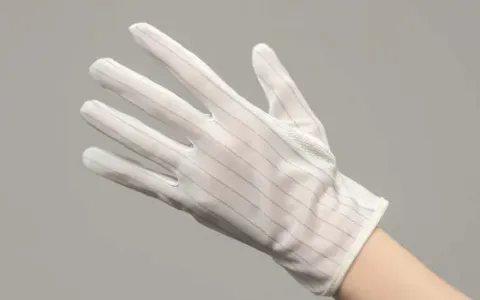
- Electronics assembly: Smocks, gloves, and workstation mats that protect sensitive components.
- Aerospace: Flight deck and avionics assembly apparel that meets strict flammability and ESD standards.
- Medical devices: Cleanroom apparel for implant manufacturing and sterile packaging.
- Data centers: Technician apparel and floor mats to prevent static damage to servers.
We are proud to partner with industry leaders who demand the highest levels of performance and reliability. Our clients include Fortune 500 electronics manufacturers, leading aerospace suppliers, and innovative medical device companies. By collaborating closely with these organizations, we continuously refine our products to meet evolving challenges. For example, our partnership with a top-tier semiconductor fabricator led to the development of a new fabric that combines ultra-low particle shedding with superior ESD performance—a breakthrough that is now benefiting clients worldwide.
FAQ: Expert Answers to Common Questions
Q1: How does your fabric perform after multiple washes?
Our fabrics are tested to withstand at least 100 industrial wash cycles with less than 10% change in surface resistivity. This is achieved through our patented conductive fiber matrix, which is integrated into the fabric structure rather than applied as a coating. We also offer a 5-year performance guarantee under normal use conditions.
Q2: Can your ESD fabric be used in Class 100 cleanrooms?
Absolutely. Our fabrics are designed to meet ISO Class 4 (Class 10) cleanroom standards for particle shedding. We use continuous filament yarns and special finishing processes to minimize particle generation. Each batch is tested for particle release according to IEST-RP-CC003.4.
Q3: What is the typical surface resistivity of your fabric?
Our standard ESD fabrics have a surface resistivity of 10^6 to 10^9 ohms, which falls within the conductive range specified by ANSI/ESD S20.20. We also offer static dissipative fabrics in the 10^9 to 10^12 ohm range for applications requiring slower discharge.
Q4: Do you provide custom sizes and colors?
Yes, we offer full customization, including fabric weight, color, and garment design. Our team can work with you to develop fabrics that meet specific requirements, such as flame retardancy or chemical resistance. Minimum order quantities apply, but we strive to accommodate both large and small orders.
Q5: How do you ensure compliance with international standards?
We test our fabrics to ANSI/ESD S20.20, IEC 61340-5-1, and other relevant standards. Each shipment includes a certificate of compliance with detailed test data. We also maintain ISO 9001 and ISO 14001 certifications for quality and environmental management, ensuring consistent product quality and sustainability.
Conclusion and Call to Action
In the high-stakes world of high-tech manufacturing, static electricity is an invisible enemy that can strike anytime, anywhere. But with the right antistatic ESD fabric, you can turn that vulnerability into a strength. Jiangsu Textile Research Institute Inc. offers more than just fabrics; we deliver peace of mind. Our engineered ESD fabrics provide unmatched durability, humidity independence, and consistency, backed by real-world success stories from industry leaders worldwide. Don’t let static silently erode your yields, your reputation, or your bottom line. Take the first step toward robust ESD protection today. For a comprehensive technical white paper that dives deeper into the science of ESD fabrics and our testing protocols, or to speak with one of our sales engineers about your specific needs, please reach out to us. Your products—and your customers—will thank you.
関連ニュース
続きを読む >-
![内装材は本当に難燃性ですか?]()
内装材は本当に難燃性ですか?
1. はじめに:規格不適合裏地の隠れたリスク 2. 業界の課題:可燃性、耐久性、および規格適合性のギャップ 3. ソリューション:江蘇繊維研究所の先進的な難燃性裏地生地 4. 顧客成功事例:実際の成果 5. アプリケーションとパートナーシップ:グローバルリーダーからの信頼 6. よくある質問:エンジニアによる回答 7. 結論と行動喚起
-
![あなたの衣料用生地の糸は、何百万ドルものコストがかかっていませんか?]()
あなたの衣料用生地の糸は、何百万ドルものコストがかかっていませんか?
1. はじめに:糸の隠れたコスト 2. 課題:品質のばらつき、サプライチェーンの混乱、パフォーマンスのギャップ 3. 解決策:高度な糸エンジニアリングと品質管理 4. 事例研究:実際の成功事例 5. アプリケーションとパートナーシップ:業界リーダーからの信頼 6. よくある質問:エンジニアと調達マネージャーのための技術的洞察 7. 結論:糸戦略を最適化するための行動
-
![あなたの抗菌生地は本当に安全ですか?]()
あなたの抗菌生地は本当に安全ですか?
1. はじめに:抗菌繊維の隠された真実 2. 課題:従来の抗菌処理が失敗する理由 - 耐久性の問題 - 皮膚刺激と毒性 - 環境への影響 3. 解決策:高度な抗菌繊維技術 - 耐久性のある銀イオン技術 - 無毒で肌に安全な処理 - 環境に優しい製造 4. 顧客成功事例 - 事例1:ドイツの医療機関 - 事例2:米国のスポーツウェアブランド - 事例3:フランスのホテルチェーン - 事例4:日本の医療用繊維販売会社 5. アプリケーションとパートナーシップ - 主要なアプリケーション分野 - 戦略的パートナーシップ 6. FAQ:エンジニアと調達マネージャーからの質問 7. 結論と行動喚起
-
![耐火性生地は2000°F(約1093℃)の高温に耐えられるのか?]()
耐火性生地は2000°F(約1093℃)の高温に耐えられるのか?
1. はじめに:2000°F(約1093℃)の課題 2. 高温用途における課題 3. 解決策:極度の高温に対応する難燃性ファブリックの設計 4. 顧客成功事例 5. 用途とパートナーシップ 6. エンジニアおよび調達マネージャー向けFAQ 7. 結論と行動喚起
-
![帯電防止ツイル生地はダウンタイムを削減できるか?]()
帯電防止ツイル生地はダウンタイムを削減できるか?
1. はじめに:ハイテク製造業における静電気の隠れたコスト 2. 課題:ESDによる損傷、粉塵の付着、作業者の不快感 3. 解決策:帯電防止ツイル生地の仕組み 4. 顧客成功事例 5. アプリケーションとパートナーシップ 6. エンジニアおよび調達マネージャー向けFAQ 7. 結論と行動喚起