



- ホームページ
- >
- ニュース
- >
- 耐切創性生地の見分け方
- >
耐切創性生地の見分け方
2026-05-08 10:25
金属加工、自動車製造、ガラス取り扱い、物流、建設などの業界では、労働者の安全が最優先事項です。個人用保護具(PPE)に使用される最も重要な保護材料の1つは、耐切創性衣類は耐切創性生地しかし、市場には非常に多くの素材や性能に関する謳い文句が出回っているため、多くの購入者や安全管理者は、生地が本当に信頼できる切創防止性能を提供しているかどうかを判断するのに苦労している。
高品質な耐切創性生地を見分ける方法を理解することは、適切な手袋、袖、ジャケット、または保護作業服を選ぶ上で不可欠です。このガイドでは、主要な識別方法、耐切創性規格、一般的な素材、そして将来の技術動向について解説し、産業界の購買担当者が情報に基づいた意思決定を行えるよう支援します。
耐切創性生地とは何ですか?
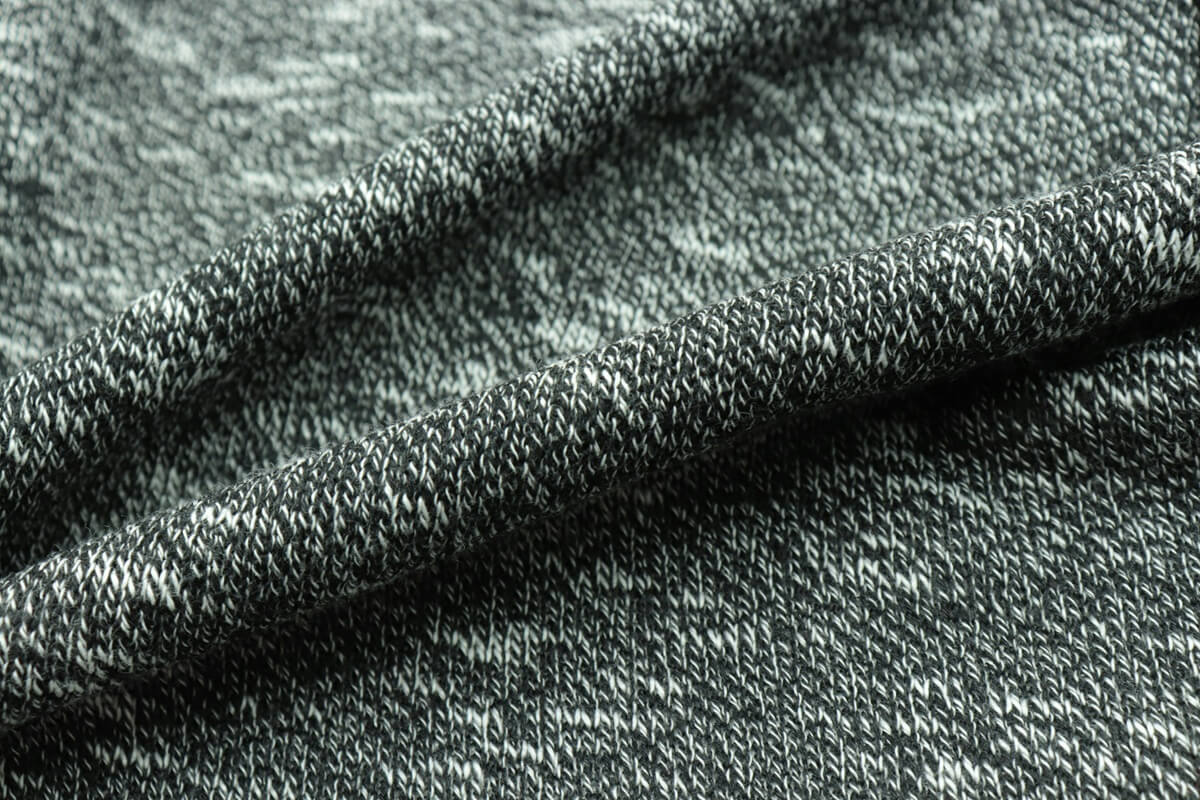
耐切創性生地は、刃物、ガラス、金属片、工具などの鋭利な物体による怪我のリスクを軽減するために特別に設計された機能性生地です。通常の生地とは異なり、耐切創性生地は高強度繊維と高度な織り方または編み方技術を用いることで、耐久性と耐切創性、耐引裂性を向上させています。
完全に「切断不可能」な素材は存在しないことを理解することが重要です。耐切創性生地は、切断されるまでに耐えられる力の大きさに応じて等級付けされます。
耐切創性生地の一般的な用途
安全手袋
耐切創ジャケット
作業服
アームガード
耐切創性パンツ
耐切創性バッグとカバー
今日、耐切創性生地は以下のような分野で広く使用されています。
自動車製造
ガラス製造
金属加工
食品加工
物流および倉庫管理
電子機器の組み立て
世界的に職場の安全基準が向上し続けるにつれ、高性能な耐切創性生地の需要が急速に高まっている。
耐切創性生地を識別する最も確実な方法
適切な耐切創性生地を選ぶには、単に宣伝文句を読むだけでは不十分です。以下に、本物の保護材を見分けるための最も確実な方法をご紹介します。
ラベルと仕様を確認してください
耐切創性生地を見分ける最も簡単な方法は、製品ラベルと技術仕様を確認することです。
信頼できるメーカーは通常、以下のものを提供します。
切断抵抗レベル
材料構成
試験基準
コンプライアンス認証
次のような基準を探してください。
ANSI/ISEA 105
EN 388
ISO 13997
繊維組成を調べる
耐切創性生地の性能は、製造に使用される繊維の種類に大きく左右される。
耐切創性生地によく使用される繊維
| 繊維の種類 | 主な特徴 |
| HPPE(高性能ポリエチレン) | 軽量、柔軟、丈夫 |
| アラミド/ケブラー® | 耐熱性と耐久性に優れています |
| ステンレス鋼繊維 | 極めて高い耐切創性 |
| ガラス繊維ブレンド | 強化された筋力 |
| UHMWPE | 優れた耐摩耗性と耐切創性 |
これらの素材の中でも、HPPEをベースとした耐切創性生地は、快適性、柔軟性、保護性能のバランスが優れているため、ますます人気が高まっている。
生地の構造と密度を評価する
高品質な耐切創性生地を見分けるもう一つの重要な方法は、その構造と密度を評価することです。
一般的に、以下のような生地は
きつい編み目パターン
多層構造
強化糸構造
より優れた切創保護を提供する。
高密度耐切創性生地は、切断力を材料表面全体に均等に分散させることができ、貫通リスクを低減します。
しかし、購入者は快適性、通気性、柔軟性、重量のバランスも考慮する必要があります。
生地が厚すぎると、作業者の快適性や生産性が低下する可能性があります。
製造元の試験報告書を確認する
信頼できるメーカーは、耐切創性生地の性能を検証するために、専門的な研究所での試験を実施しています。
重要なテスト方法には以下が含まれます。
クーデター試験/TDM試験/ISO 13997試験
耐切創性生地を調達する際、購入者は以下の点を要求すべきです。
第三者機関によるテストレポート
認証書類
品質管理記録
これは、法令遵守と作業員の安全が極めて重要な産業用個人用保護具(PPE)の用途において特に重要です。
耐切創性レベルの理解
耐切創性に関する規格は、購入者がさまざまな種類の耐切創性生地をより正確に比較するのに役立ちます。
ANSIカットレベルの説明(A1~A9)
ANSI/ISEA 105規格は北米で一般的に使用されている。
| ANSIレベル | 保護レベル | 代表的な用途 |
| A1 | 低い | ライトアセンブリ |
| A2-A3 | 適度 | 一般的な取り扱い |
| A4-A5 | 高い | ガラスと金属加工 |
| A6-A7 | 非常に高い | 重工業作業 |
| A8-A9 | 過激 | 危険な切断環境 |
例えば、ANSI A5規格の耐切創性生地は、A3規格の素材よりもはるかに高い切断力に耐えることができます。
EN 388 カット定格の説明
EN 388は、保護手袋および保護布地に関する欧州規格です。
この基準では以下を評価します。
耐摩耗性
刃物切断耐性
引き裂き耐性
耐穿刺性
現代のEN 388規格の評価には、A、B、C、D、E、Fなどの文字が含まれることが多い。
「F」は最高レベルの耐切創性を表します。
海外のバイヤーにとって、耐切創性生地のサプライヤーを世界規模で比較する際には、ANSI規格とEN 388規格の両方を理解することが重要です。
業界ごとに最適なカットレベルはどれですか?
職場によって、求められる耐切創性生地のレベルは異なる。
| 業界 | 推奨切断レベル |
| 倉庫保管 | A2-A3 |
| 自動車 | A4-A5 |
| ガラスの取り扱い | A5-A7 |
| 金属加工 | A6-A8 |
| 食品加工 | A3~A5 |
過度に高い耐切創性を選択すると、快適性や器用さが損なわれる可能性があるため、購入者は実際の職場の危険性に基づいて耐切創性生地を選択する必要があります。
耐切創性のある生地とは?
耐切創性生地の製造には、いくつかの先進的な材料が一般的に使用されている。
HPPE生地
HPPEは軽量で柔軟性があり、非常に耐久性に優れています。現代の耐切創性生地の製造において、最も広く使用されている素材の一つです。
ケブラー®およびアラミド繊維
アラミド繊維をベースとした耐切創性生地は、切創防止性能に加えて優れた耐熱性も備えています。
スチール繊維混紡生地
鋼鉄で補強された耐切創性生地は、過酷な産業環境において非常に高い耐切創性を発揮します。
UHMWPE生地
超高分子量ポリエチレンは、軽量でありながら卓越した強度を発揮します。
複合繊維
現在、多くのメーカーが複数の繊維を組み合わせて、以下のような多機能な耐切創性生地を製造しています。
耐切創性
耐摩耗性
耐熱性
帯電防止特性
用途に合った耐切創性生地の選び方
適切な耐切創性生地を選ぶには、最高レベルの耐切創性を選ぶだけでは不十分です。
職場の危険性を考慮する
評価する:
刃の露出
鋭利なエッジ
繰り返し切断するリスク
環境条件
バランス保護と快適性
耐切創性生地が快適で柔軟性がある場合、作業員は保護具を継続的に着用する可能性が高くなる。
耐久性を確認する
高品質の耐切創性生地は、以下の期間も性能を維持する必要があります。
繰り返し洗濯
普段着
摩耗暴露
経験豊富な製造業者と協力する
信頼できるサプライヤーは、以下の点に基づいて最適な耐切創性生地を推奨できます。
業界の要件
安全基準
カスタマイズのニーズ
専門メーカーは、試験サポートやOEM/ODMソリューションも提供しています。
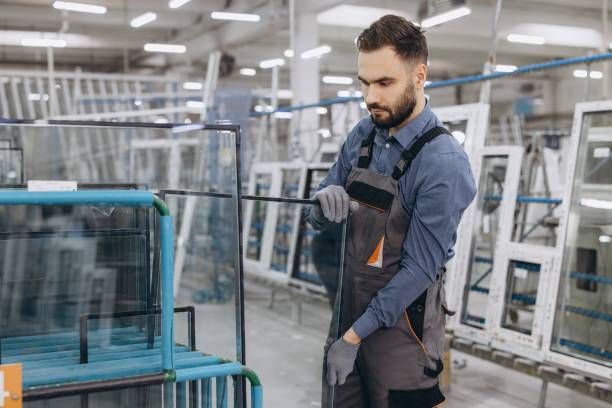
耐切創性繊維技術の将来動向
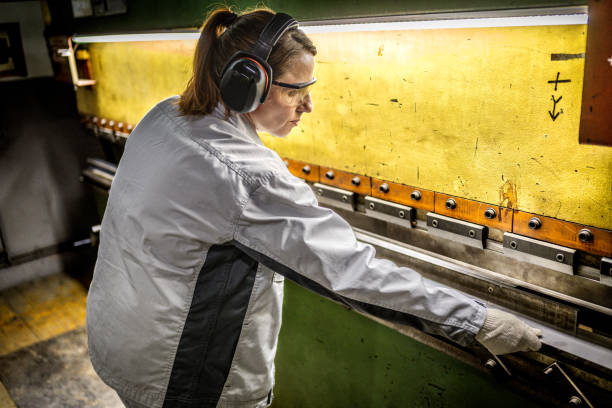
世界の個人用保護具(PPE)業界は革新を続けており、耐切創性生地技術は急速に進化している。
軽量高性能繊維
現代の耐切創性生地は、以下のようなものになりつつあります。
ライター
通気性が向上
より柔軟に
保護性能を犠牲にすることなく。
持続可能な保護繊維
環境に配慮した生産、リサイクル可能な繊維、そして持続可能な生地ソリューションの重要性がますます高まっている。
メーカー各社は、以下の要素を組み合わせた耐切創性生地を開発している。
難燃性
帯電防止性能
耐薬品性
湿気管理
スマート保護ファブリック
新興技術としては、耐切創性生地に組み込まれたウェアラブルセンサーがあり、作業員の安全をリアルタイムで監視する。
これらの革新技術は、産業界が労働者の保護と生産性の両方を向上させるのに役立っている。
耐切創性生地に関するよくある質問
最も耐切創性に優れた素材は何ですか?
唯一無二の「最適」な素材というものは存在しません。理想的な耐切創性生地は用途によって異なります。HPPE、ケブラー®、UHMWPE、およびスチール繊維ブレンドは、それぞれ異なるレベルの保護性能を示すために一般的に使用されています。
ケブラーはHPPEよりも優れているのか?
ケブラー®は耐熱性に優れている一方、HPPEベースの耐切創性生地は一般的に軽量で快適です。どちらが適しているかは、作業環境によって異なります。
ANSI A5とはどういう意味ですか?
ANSI A5規格は、耐切創性生地が比較的高い切断力に耐えられることを示しており、自動車製造やガラス取り扱いなどの産業に適している。
耐切創性生地は、時間の経過とともに劣化しますか?
はい。繰り返しの摩擦、洗濯、および酷使により、耐切創性生地の性能は徐々に低下する可能性があります。定期的な点検と交換をお勧めします。
耐切創性生地は繰り返し洗濯できますか?
現代の耐切創性生地のほとんどは、繰り返し洗濯できるように設計されています。ただし、性能と耐久性を維持するためには、購入者は必ず製造元の洗濯表示に従ってください。
結論
高品質な耐切創性生地を見極めることは、作業員の安全を確保し、産業安全基準を満たすために不可欠です。認証の確認、繊維組成の分析、試験報告書の検討、耐切創性レベルの理解を行うことで、購入者はより的確な購買判断を下すことができます。
産業界がより安全で高度な個人用保護具(PPE)ソリューションを求めるようになるにつれ、最新の耐切創性繊維技術は、より軽量で強度が高く、多機能な保護繊維へと進化し続けるでしょう。適切な素材を選ぶことは、職場の安全性を向上させるだけでなく、快適性、生産性、そして長期的な価値を高めることにもつながります。
関連ニュース
続きを読む >-
![帯電防止ジャケットとは何ですか?]()
帯電防止ジャケットとは何ですか?
帯電防止ジャケットとは何か、その仕組み、使用されている素材、主な用途、ESD規格、そして作業に適したジャケットの選び方について学びましょう。
-
![ステンレス鋼糸は何に使用されますか?]()
ステンレス鋼糸は何に使用されますか?
ステンレス鋼糸がどのような用途に使われているかをご覧ください。帯電防止・電磁波シールド生地から、スマートテキスタイル、暖房器具、防護服まで、幅広い用途があります。
-
![ステンレス鋼糸とは何ですか?]()
ステンレス鋼糸とは何ですか?
ステンレス鋼糸とは?その導電性、特性、種類、用途、そして帯電防止、ESD(静電気放電)、機能性繊維における使用法について学びましょう。
-
![難燃性繊維とは何ですか?]()
難燃性繊維とは何ですか?
難燃性繊維とは何か、その仕組み、主要な生地の種類、用途、規格、そして防護服に適した難燃性生地の選び方について学びましょう。
-
![綿製の難燃性生地とは何ですか?]()
綿製の難燃性生地とは何ですか?
綿製の難燃性生地とは何か、その仕組み、本来の難燃性素材との違い、使用場所、購入者が考慮すべき規格、そして防護服プログラムに適した生地の選び方について説明します。
-
![アラミド繊維とケブラー繊維、どちらが優れているか?]()
アラミド繊維とケブラー繊維、どちらが優れているか?
アラミド繊維とケブラー繊維を、強度、難燃性、用途、主な違いなどを比較して、適切な保護材を選びましょう。
-
![アラミド繊維とは何ですか?]()
アラミド繊維とは何ですか?
アラミド繊維とは何か、その主な特性、メタアラミド繊維とパラアラミド繊維の違い、一般的な用途、そして産業用防護服に適した難燃性繊維の選び方について学びましょう。
-
![レベル5の耐切創性衣料とは何ですか?]()
レベル5の耐切創性衣料とは何ですか?